

⚡ TL;DR: Discover Atlanta roof pros' hidden inspection secrets, from quick exterior scans and attic humidity flags to shingle failures and storm vulnerabilities, empowering homeowners to spot issues early.
📋 What You’ll Learn
In this eye-opening guide to roof inspections in Atlanta, GA, uncover pros' hidden techniques for spotting exterior damage, attic dangers, shingle failures, storm vulnerabilities, and moisture traps before they cause disasters.
- Master the 5-minute exterior walk-around pros use to reveal hidden roof damage that Atlanta's weather conceals from untrained homeowners every time.
- Uncover attic red flags humidity hides, spotting rot, poor ventilation, and structural weaknesses to prevent mold outbreaks and costly repairs.
- Decode shingle and flashing signals of imminent failure, empowering you to extend your roof's life and avoid surprise replacement expenses.
- Inspect vents and chimneys post-storm for Georgia weather vulnerabilities that lead to leaks, ensuring your home stays protected year-round.
- Detect moisture and mold markers pros check secretly, plus a real East Atlanta case study saving $15K in potential disaster.
📖 Reading time: 8 min
✍️ Author expertise: Atlanta roofing pro with 15 years of field inspections in Georgia's humid climate.
Ever wake up to a leaky ceiling after an Atlanta thunderstorm, only to have a roofing pro slap you with a $10,000 "emergency repair" quote after a quick glance?
You're not alone. Most homeowners get fleeced because they miss the real red flags during inspections that these guys count on you overlooking.
Today, we're cracking open the vault on the roof inspection secrets Atlanta pros keep under wraps, so you can spot trouble before it drains your bank account.
Secret #1: The 5-Minute Exterior Walk-Around Pros Use to Spot Hidden Damage
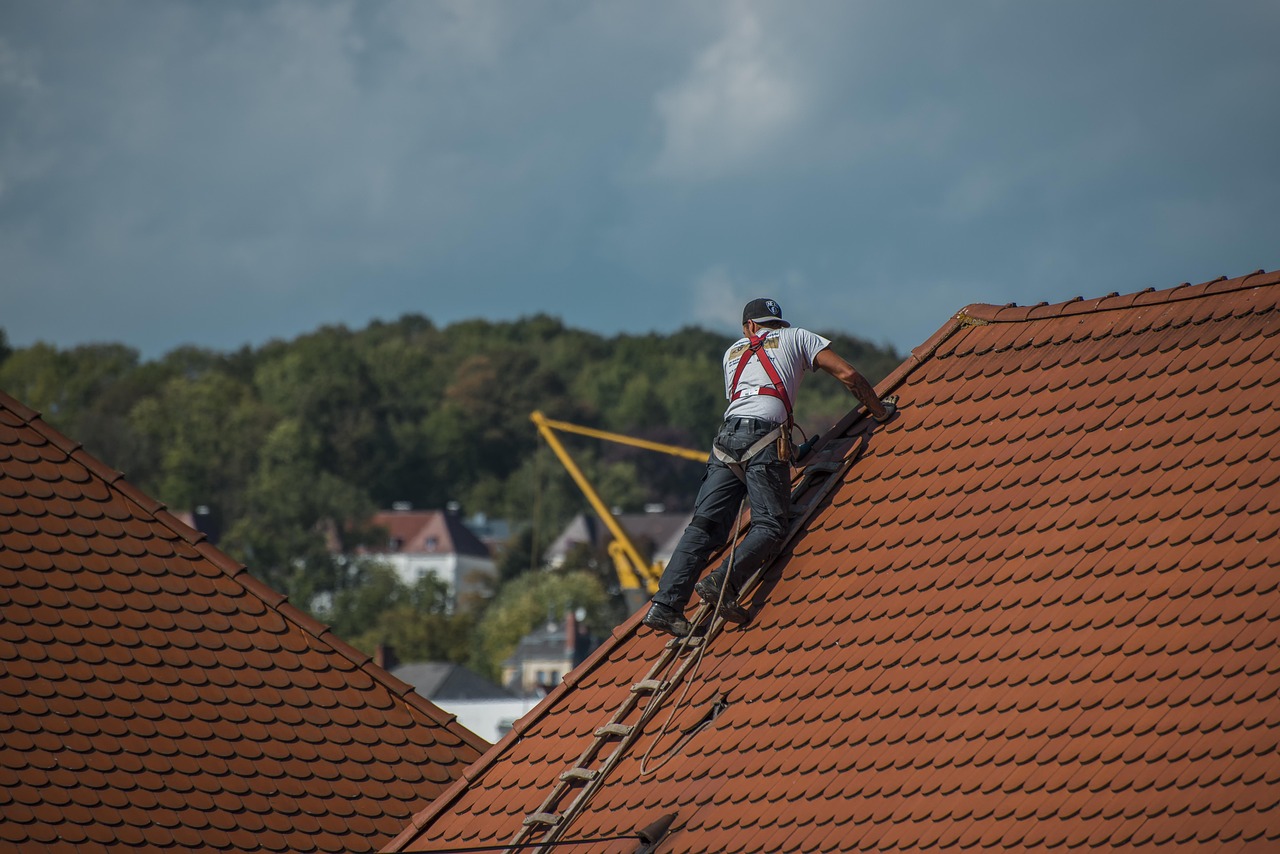
Pros never skip this quick lap around your house. It takes five minutes tops. Yet it uncovers damage that could cost you thousands if ignored.
Grab a ladder if needed. Start at the front. Look up and scan the entire roofline from the ground.
Key Spots to Hit First
- Gutters overflowing? Packed leaves mean water backs up under shingles, rotting your decking fast.
- Granules in the gutters? Your shingles are shedding like a snake, signaling UV wear from Atlanta's brutal sun.
- Curling or lifting edges? Wind from those Georgia storms has pried them loose, inviting leaks.
Circle to the sides and back. Check for dark streaks running down – that's algae from our humid air, eating at your shingles. Miss this walk-around, and hidden rot festers unseen.
Secret #2: Attic Red Flags Atlanta Humidity Hides from Untrained Eyes
Atlanta's sticky humidity turns your attic into a stealthy trap. Sweat builds up fast, masking rot and weakness until your roof caves in. Pros know exactly where to poke for the truth.
Spot These Telltale Signs Yourself
- Dark streaks on rafters: Not just dirt. That's water trails from sneaky leaks, eating away at wood over time.
- Soft, spongy beams: Press hard. If it gives like wet cardboard, humidity has turned it to mush.
- Musty stench mixed with earth smell: Mold's party. Your nose catches what eyes miss up there.
Grab a flashlight and climb up after rain. Check insulation for clumping – that's moisture overload. Ignore this, and you're handing repair bills to the pros on a silver platter.
Humidity fools amateurs every time. But now you see the flags waving. Next storm, you'll be ready.
Secret #3: Shingle and Flashing Tricks That Signal Imminent Failure
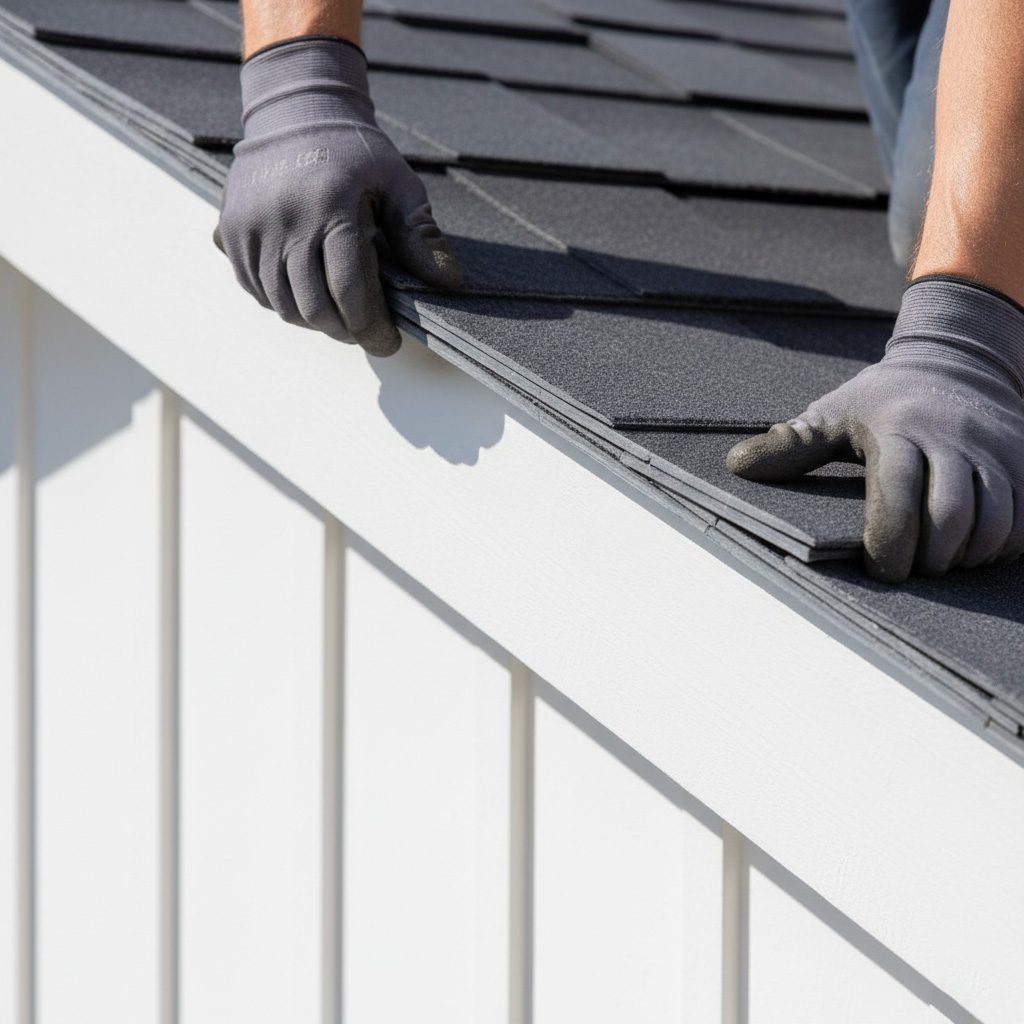
Pros know shingles don't just wear out evenly. They scan for curling edges first - those little lifts at the corners screaming wind damage or age.
Spot bald patches where granules have washed away? That's your roof losing its UV shield fast. Check gutters for black grit after rain; it's a dead giveaway.
Shingle Killers You Can Catch Yourself
- Cupped or claw-like shingles: Heat and Atlanta sun warp 'em, leading to cracks.
- Cracked or bruised spots: Hail from Georgia storms punches holes invisible from ground level.
- Tab buckling: Poor ventilation pushes shingles up, inviting leaks.
Flashing's the sneaky part. Rusty or cracked seals around chimneys and vents mean water's already sneaking in.
Look for gaps where flashing pulls away from shingles - pros call it "fishmouthing." Probe gently; if it moves, failure's imminent.
Quick Flashing Checks
- Wall flashing: Peeling paint or stains below signal poor install.
- Valley flashing: Ripples or tears here flood your attic during downpours.
- Step flashing: Missing pieces along dormers? Total leak magnet.
Secret #4: Vent and Chimney Vulnerabilities After Georgia Storms
Georgia storms pound roofs with hail, high winds, and pounding rain. Vents and chimneys take the brunt, cracking or loosening in ways you might miss. Pros know these weak spots lead straight to interior leaks if ignored.
Top Storm Damage Giveaways
- Cracked chimney crowns: Water seeps in, freezing and expanding in Atlanta's wild weather swings.
- Loose or missing vent caps: Debris clogs them fast, trapping moisture inside your attic.
- Rusted flashing around bases: Wind whips it free, inviting rain right into your walls.
Grab a ladder post-storm. Shine a flashlight up there. Spot rust streaks or gaps? That's your cue to call backup before rot sets in.
One quick fix pros push: Sealant won't cut it on storm-battered spots. Real inspection digs deeper, saving you from surprise water damage bills.
Secret #5: Moisture and Mold Markers Pros Check (But Won't Tell You About)
Atlanta's sticky humidity turns roofs into stealth moisture traps. Pros know dark streaks on underside sheathing scream water intrusion long before drips hit your floor. Ignore them at your peril.
Climb into that attic and hunt these dead giveaways:
- Soft, spongy spots on wood rafters? Rot's already eating your structure alive.
- Black, fuzzy patches near vents? Mold's throwing a party, courtesy of poor ventilation.
- Efflorescence—white, powdery salt deposits—means water's wicked up from leaks below.
- Musty odors that punch you in the nose? Hidden dampness is breeding grounds for trouble.
Grab a flashlight and poke around. Pros won't mention these because spotting them yourself kills their "surprise" repair pitch. Test suspect areas with a screwdriver—if it sinks in easy, call us before mold bills skyrocket.
Case Study: How We Caught a $15K Leak in an East Atlanta Bungalow Before Disaster Struck
Picture this: A sweet old bungalow in East Atlanta. Homeowner calls us after a few drizzly days. No obvious leaks yet, but she smelled something off in the attic.
We kicked off with our 5-minute exterior walk-around. Spotted warped shingles along the ridge from last summer's hail. That quick scan screamed trouble nobody else noticed.
Inside the Attic: Humidity's Dirty Secrets
Up in the attic, Atlanta's muggy air had masked the real killer. Wood rafters felt soft to the touch. But here's the kicker.
- Dark streaks around the chimney flashing – classic failure sign.
- Mold patches hidden under insulation, feeding on trapped moisture.
- Vent pipes sealed with crumbling caulk, letting storms sneak in.
We traced it all to a sneaky chimney gap. Water had pooled for months, rotting beams. Full tear-off? $15,000 easy. Our fix? $2,500 targeted repair.
Homeowner dodged disaster. Roof solid now. And she sleeps dry through every Georgia downpour.
Final Thoughts: Empower Your Roof Inspection Game Today
Armed with these five secrets, you're no longer at the mercy of slick sales pitches. Next time thunder rumbles over Atlanta, grab a flashlight and hit your attic. Spot those red flags early, and you save thousands.
But here's the kicker: pros like us spot what DIY misses every day. Don't wait for leaks to hit. Schedule a no-BS inspection now.
- Walk your exterior in under 5 minutes.
- Check attic humidity traps weekly.
- Scan shingles and vents post-storm.
- Call us for the full pro sweep: Roof Inspection.
Your roof's tough against Georgia weather. Keep it that way. Act today.
People Also Ask
How often should I inspect my roof in Atlanta?
In Atlanta's humid climate and storm-prone weather, pros recommend a full roof inspection at least twice a year—spring and fall—plus after any major storms. Catching hidden issues early like granule loss or flashing wear prevents costly repairs. Schedule with local experts to uncover what DIY checks miss.
What are common hidden roof damages Atlanta homeowners overlook?
Atlanta's high humidity conceals attic moisture and mold, while storms damage vents and chimneys without obvious exterior signs. Pros spot subtle shingle cracks and poor flashing during quick walk-arounds that signal failure. Regular pro inspections reveal these before leaks turn into disasters.
Can I perform a roof inspection myself in Georgia?
A basic exterior walk-around can spot major issues like missing shingles, but untrained eyes miss attic red flags and flashing tricks pros know. Atlanta's steep roofs and safety risks make DIY dangerous without proper gear. Hire certified inspectors for comprehensive checks that save thousands long-term.
Why is attic inspection crucial after Georgia storms?
Georgia storms drive wind-driven rain into vulnerabilities like loose vents and chimneys, fostering hidden mold in humid attics. Pros check for these markers that lead to structural rot if ignored. A thorough attic scan ensures your home stays dry and safe year-round.
How much does a professional roof inspection cost in Atlanta?
Atlanta roof inspections typically range from $150 to $400, depending on roof size and complexity, often free with repair quotes from reputable companies. This investment uncovers hidden damages worth thousands in future savings. Contact local pros today for a detailed, no-obligation assessment.

Atlanta Roofing delivers specialized roofing services to Atlanta-area homes and businesses. With extensive experience in repairs, replacements, and installations, our team focuses on reliable craftsmanship. Proudly rooted in the Atlanta community, we prioritize local needs and lasting results.
Need Roofing?
Fast roof repairs and replacements deliver durable protection for homes and businesses in Atlanta, GA and nearby areas (30303, 30318, 30326, 30342, 30349).
Get Roof Quote