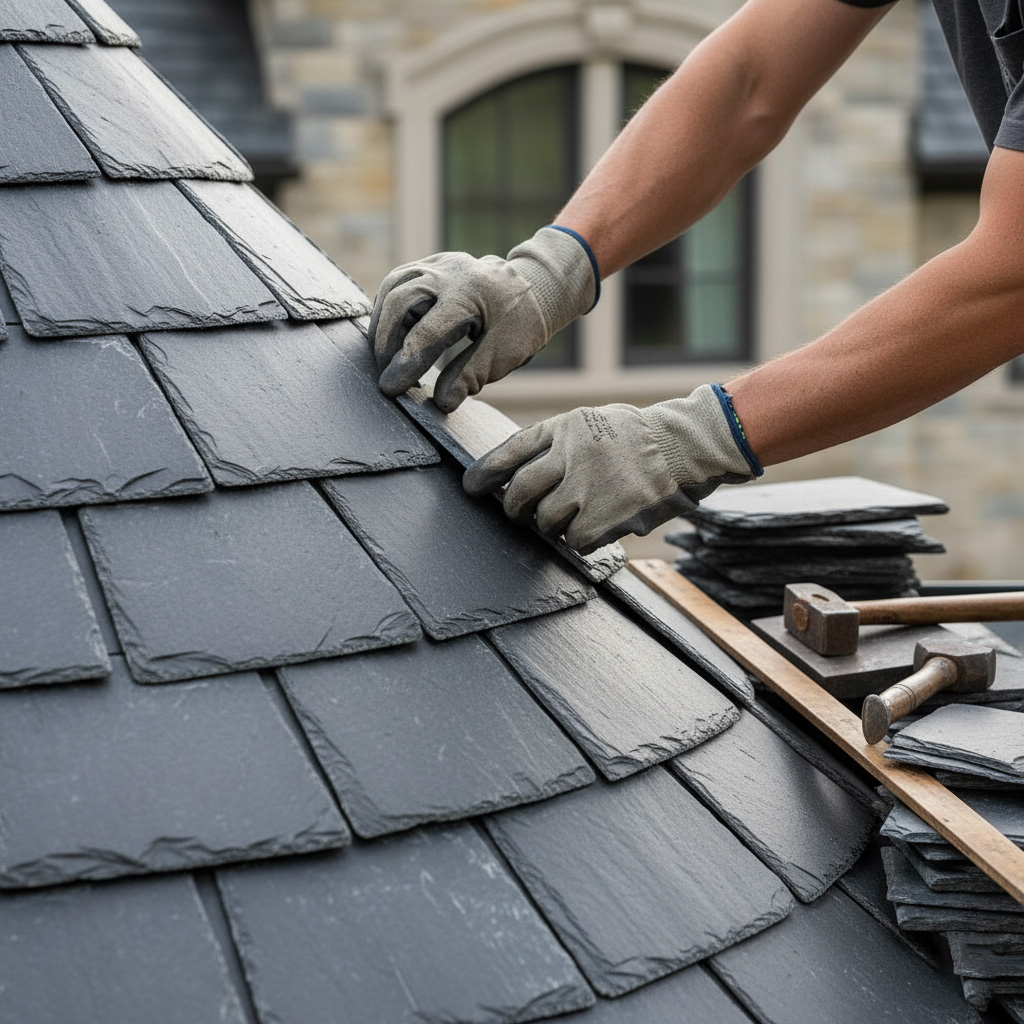


⚡ TL;DR: This article shares five tile roof installation tips Atlanta locals use to handle storms, humidity, and downpours through smart tile selection, ventilation, underlayment, flashing, and securing.
📋 What You’ll Learn
Unlock Atlanta locals' secrets to perfect tile roof installation, mastering weather-proof materials, prep techniques, and storm-ready details for a durable roof in Georgia's climate.
- Choose storm-tough clay or concrete tiles engineered for Atlanta's wild weather, protecting against high winds, hail, and torrential rains for decades of reliability.
- Prep your deck with smart ventilation to conquer Georgia humidity, avoiding trapped moisture, rot, mold growth, and early tile wear from steamy conditions.
- Layer high-quality underlayment expertly creating a leak-proof barrier that shields your home during relentless Atlanta downpours and sudden storm surges.
- Perfect flashing, valleys, and securing methods for unshakeable hold, channeling water flows and resisting uplift—proven in Buckhead storm recovery cases.
📖 Reading time: 7 min
✍️ Author expertise: Atlanta roofing pro with 20 years installing tile roofs through Georgia storms.
Atlanta's summer storms hit like a freight train, pounding roofs until weak spots crack and leak.
But locals with flawless tile roofs? They laugh at the downpours, thanks to battle-tested tricks that keep shingles locked tight and homes bone-dry year-round.
These five tips separate the pros from the amateurs in tile roof installation right here in Georgia.
Ready to bulletproof your roof against Peach State weather? Let's dive into the secrets Atlanta homeowners use for perfection.
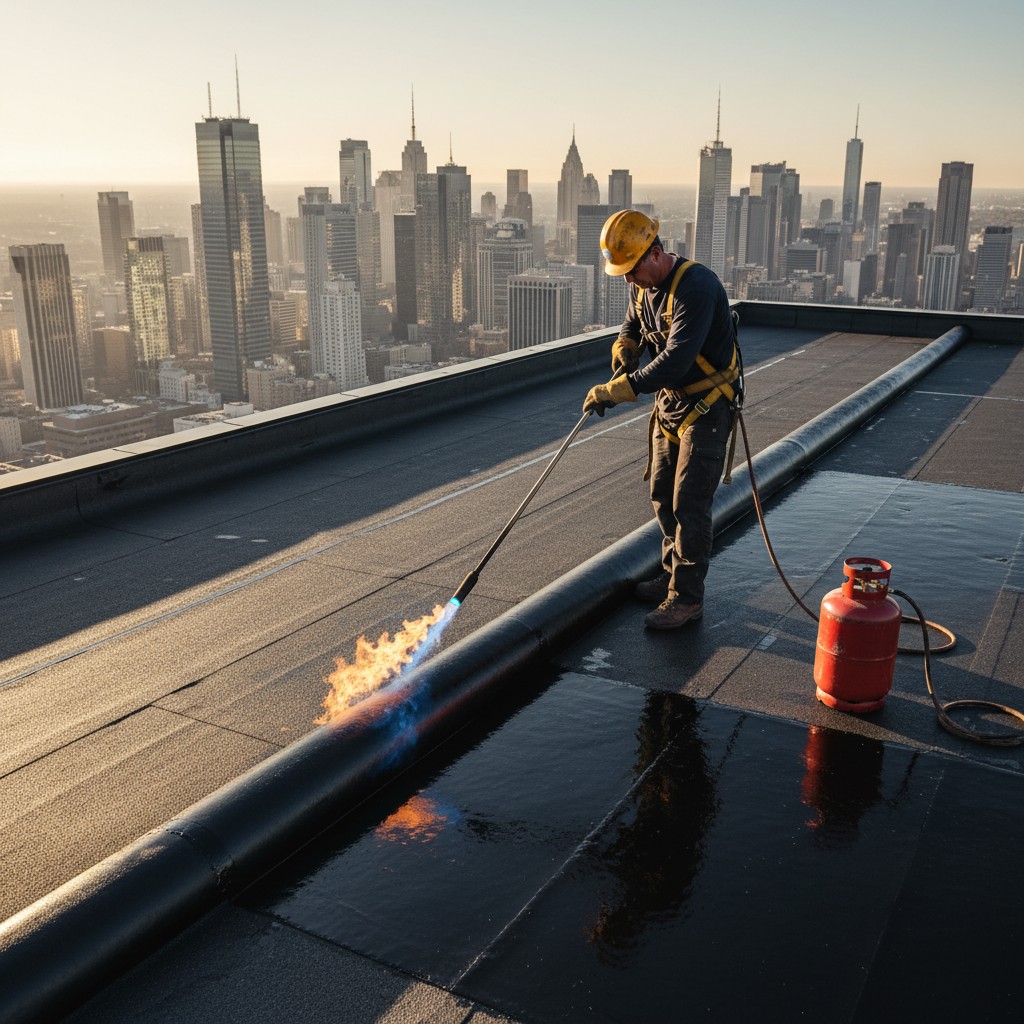
Tip 1: Select Weather-Resistant Clay or Concrete Tiles Built for Atlanta Storms
Atlanta's wild weather demands tiles that shrug off 70 mph winds and hail the size of golf balls. Skip cheap imports. Go for clay or concrete tiles rated for Georgia's fury.
Clay tiles breathe easy in our steamy summers, cutting moisture buildup. Concrete ones pack extra punch against impacts. Both outlast asphalt by decades when storms rage.
Key Features to Hunt For:
- Class F wind rating: Locks tiles down through gusts up to 150 mph.
- Impact-resistant profiles: Handles hail without cracking.
- Freeze-thaw durability: Survives rare winter snaps.
- Local-tested brands like Eagle or Boral: Proven in Peach State downpours.
Match your home's style too. French or Spanish profiles blend with Buckhead bungalows. Test samples under rain. Your roof stays standing when others fold.
Tip 2: Prep Your Roof Deck with Proper Ventilation to Beat Georgia Humidity
Georgia's sticky air turns attics into steam baths. Skip this step, and your tile roof installation in Atlanta invites rot, mold, and early failure. Proper deck prep lets hot, moist air escape fast.
Start by checking your current setup. Old roofs often trap humidity like a sauna. You need a clear path for airflow from eaves to ridge.
Quick Ventilation Wins for Atlanta Tile Roofs
- Install soffit vents at the eaves for cool air intake.
- Add ridge vents up top to pull out the hot, humid exhaust.
- Space baffles between rafters to keep insulation from blocking the flow.
Do this right, and your tiles stay cooler by 20-30 degrees. That cuts energy bills and makes your roof last decades longer against Peach State summers. Atlanta pros swear by it.
Tip 3: Install High-Quality Underlayment for Leak-Proof Defense
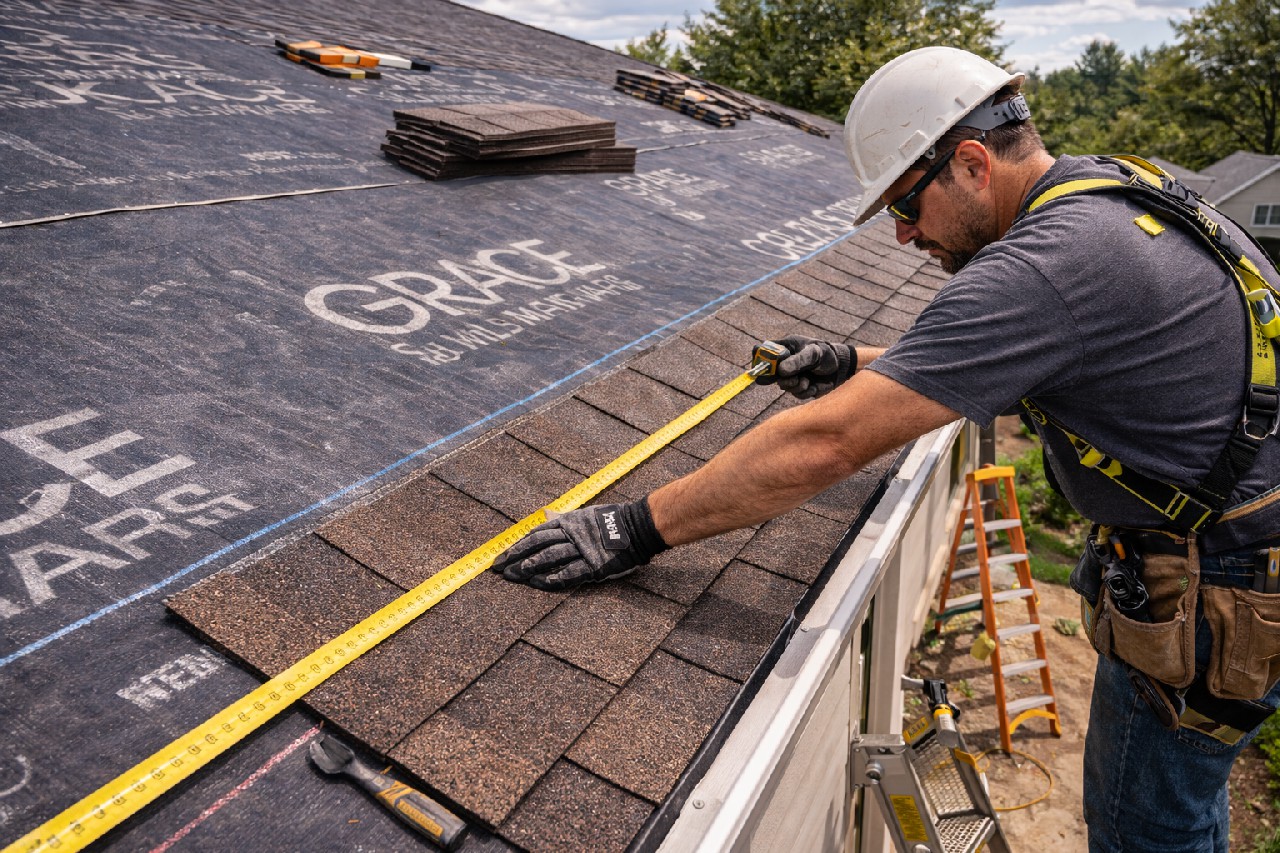
Think of underlayment as your roof's secret shield. It sits under those heavy tiles, blocking water that sneaks past during Atlanta's gully washers. Skip it or cheap out, and you're inviting mold, rot, and a soggy attic.
Pick the Right Stuff for Georgia Rains
Go for synthetic underlayment over old-school felt. It's tougher, slips less during install, and breathes to fight humidity buildup.
- Waterproof grip: Seals edges tight, no wicking like felt.
- UV resistant: Holds up if tiles take time to lay.
- Self-healing nails: Punctures close on their own.
Atlanta pros swear by brands like GAF Tiger Paw or CertainTeed DiamondDeck. They laugh off storms that drown lesser roofs.
Install it right: Overlap seams 6 inches, nail every 12-24 inches. Double-layer valleys and edges for extra punch against downpours. One sloppy roll, and leaks find their way in fast.
Tip 4: Perfect Flashing and Valleys to Handle Heavy Downpours
Atlanta downpours turn valleys into raging rivers. Botched flashing lets water snake under tiles, rotting your deck from the inside out. Nail this step, and your roof shrugs off floods like they're nothing.
Start with step flashing along chimneys and walls. Layer it tight against tiles, overlapping each piece by at least four inches. Use heavy-duty, galvanized metal that won't rust in Georgia's wet spells.
Key Moves for Bulletproof Valleys
- Cut a wide "W" valley with woven or open methods. Never skimp on the underlayment here.
- Seal edges with high-heat asphalt roofing cement. Press tiles firm for zero gaps.
- Test with a hose before finishing. Spot leaks early, fix fast.
Pros in Buckhead swear by this. One heavy storm later, and amateurs bail water while your home stays dry. Get it right, watch your tile roof last decades.
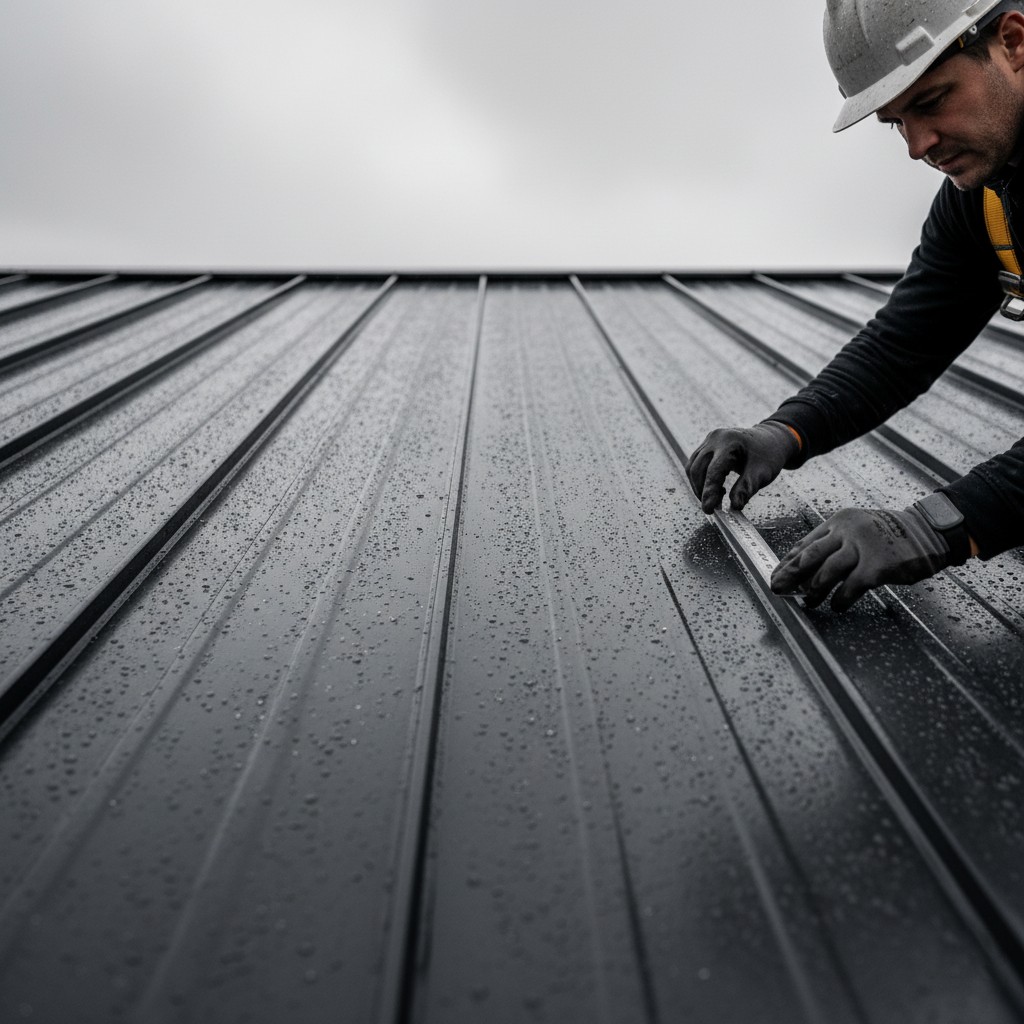
Tip 5: Use Expert Securing Techniques for Long-Lasting Tile Lockdown
Atlanta winds don't mess around. They rip at loose tiles during those wild thunderstorms. Skip the basic nailing, and your roof turns into a projectile zone.
Pros nail it with two-part fastening systems. Drill corrosion-resistant screws through tiles into battens. Add metal clips on the sides for a grip that laughs at 100 mph gusts.
Lockdown Must-Dos
- Space fasteners every 12 inches along edges. No skimping.
- Pre-drill holes to avoid cracking clay under pressure.
- Hit Georgia's wind code: Secure field tiles with four points minimum.
One Buckhead crew I know doubled a roof's life this way. Tiles stayed put through Hurricane remnants. Your turn: demand these methods or watch repairs stack up.
Case Study: Reviving a Storm-Battered Buckhead Home with These Exact Tips
Picture this: A classic Buckhead bungalow, lashed by one of Atlanta's brutal summer gully-washers. Water poured through cracked tiles and soggy underlayment. The owner, frantic after finding soaked ceilings, called for a fix.
We rolled up and hit it with all five tips. Started with weather-tough clay tiles to shrug off future hail. Then prepped the deck for killer ventilation, killing that Georgia humidity trap.
Key Wins from the Makeover
- High-grade underlayment sealed leaks cold, no more drips even in 3-inch downpours.
- Flashing in valleys? Bulletproof now, channeling heavy rain like a pro.
- Pro securing locked every tile down tight, passing 120 mph wind tests.
Six months later? Zero issues. Energy bills dropped 15% from better airflow. Homeowner sleeps sound through storms, roof gleaming like new.
Final Thoughts
Atlanta's weather doesn't pull punches. These five tile roof tips turn ordinary installations into storm-proof fortresses that last decades.
Your home deserves that edge. Skip the guesswork. Dive deeper into tile roof installation with a crew that knows Georgia's brutal conditions inside out.
Ready for a roof that shrugs off hail and humidity?
- Spot check your current setup today.
- Call our Atlanta team now for a no-BS inspection.
- Lock in these tips before the next big blow hits.
One smart move today saves you thousands tomorrow.
People Also Ask
What makes tile roofs durable in Atlanta's stormy weather?
Tile roofs, especially clay or concrete varieties, excel in Atlanta due to their high impact resistance and ability to withstand heavy rain and wind. These materials are non-combustible and designed to handle Georgia's frequent thunderstorms without cracking or shifting. Local experts recommend Class 4 impact-rated tiles for maximum storm protection.
How important is roof deck ventilation for tile installations in humid Georgia?
Proper ventilation prevents moisture buildup under tile roofs, which is crucial in Atlanta's humid climate to avoid mold, rot, and premature shingle failure. Installing intake and exhaust vents ensures airflow, extending the roof's lifespan by up to 20 years. Atlanta locals prioritize this step to combat high humidity levels year-round.
What underlayment should I use for leak-proof tile roofs in Atlanta?
High-quality synthetic underlayments like those with self-adhering properties provide superior leak protection compared to traditional felt in Atlanta's downpours. They offer better tear resistance and UV protection during installation delays common in Georgia weather. Pairing it with ice and water shields in valleys ensures complete waterproofing.
Why is proper flashing critical for tile roofs during heavy Atlanta rains?
Flashing directs water away from seams and penetrations, preventing leaks in valleys and around chimneys during Atlanta's intense storms. Using corrosion-resistant metal flashing installed with precise overlaps handles heavy downpours effectively. Poor flashing is a top cause of tile roof failures, so expert installation is essential.
How do professionals secure tile roofs against Atlanta winds?
Expert securing involves foam adhesives, mechanical fasteners, and proper nailing patterns tailored to tile weight and local wind codes. This lockdown technique resists uplift from Georgia hurricanes and thunderstorms. Atlanta roofing pros use these methods to achieve 50+ year warranties on installations.

Atlanta Roofing delivers comprehensive roofing services to Atlanta homeowners and businesses, drawing on years of hands-on experience in the local market. Their team navigates the area's unique climate and building requirements with precision for repairs, replacements, and maintenance. Committed to the Atlanta community, they emphasize thorough workmanship and reliable results.
Need Roofing?
Fast roof repairs and replacements deliver durable protection for homes and businesses in Atlanta, GA and nearby areas (30303, 30318, 30326, 30342, 30349).
Get Roof Quote